Mount Fuji and the Sunset
In Arrivals Hall, the author mentions that the key to transforming from a foreigner to a local is to stop constantly comparing everything to your homeland—which food tastes better, how clean the streets are, the different smell of the air. Having never lived as an outsider before, I recently found myself revisiting earth science because of Mount Fuji.
There aren’t many tall buildings near my residence, so visibility is excellent on clear days. One autumn day last year, I noticed for the first time that I could see Mount Fuji from the corridor outside my home. The reason I hadn’t noticed before was due to the climate—only during autumn and winter does the air become clear enough to see that far. Since that day, stepping out each morning feels like spinning a capsule toy machine, occasionally revealing Mount Fuji in the distance.
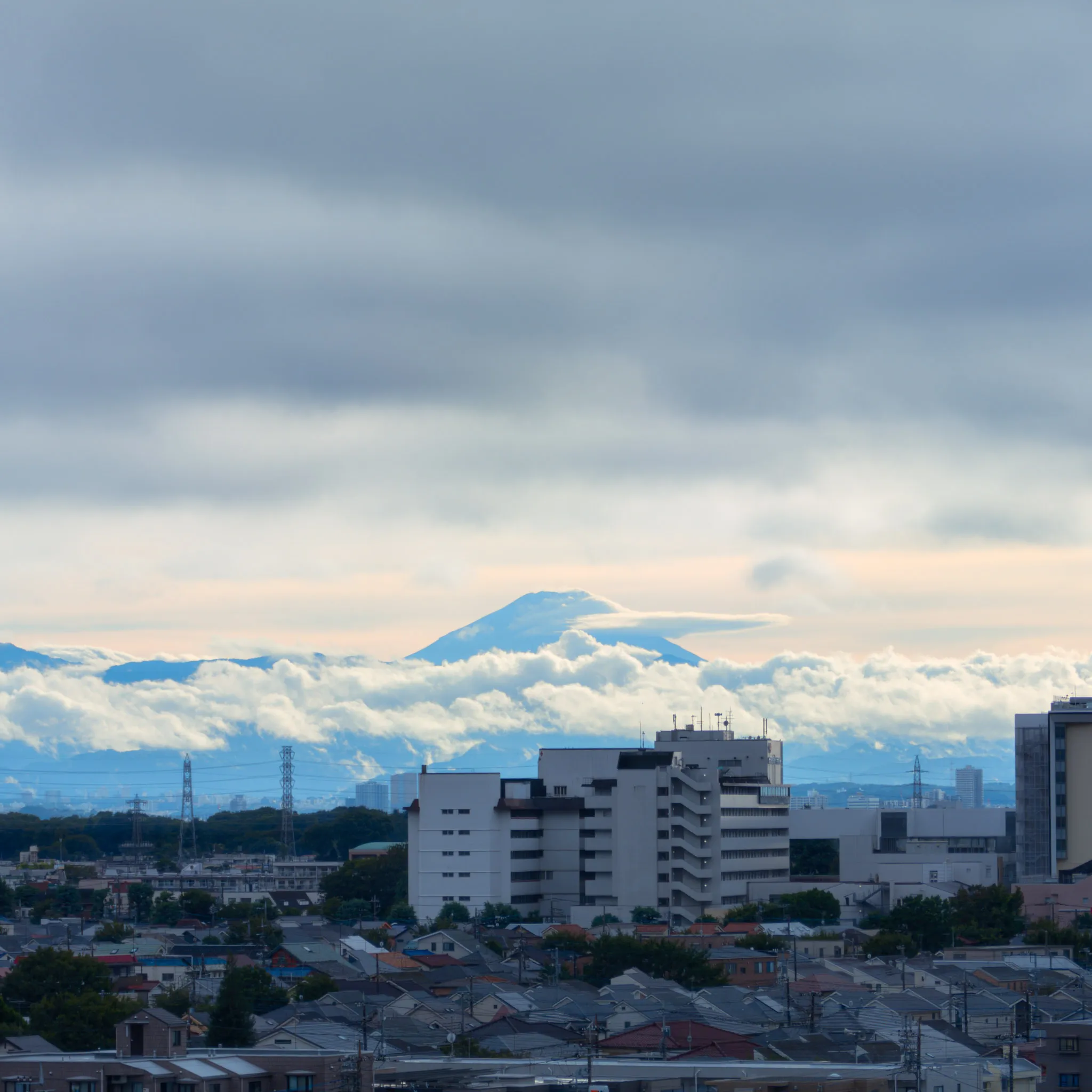
Even more surprising than the capsule toy excitement was discovering that the position of each day’s sunset was gradually moving closer to Mount Fuji. This reminded me of earth science class—the Earth’s axial tilt causes the sunset position to shift daily. With Mount Fuji as a reference point, this change becomes even more apparent.
Doesn’t that mean there’s a day when the setting sun aligns perfectly with the summit of Mount Fuji? A quick search revealed that this phenomenon has a special name: “Diamond Fuji.”
The weather isn’t perfect every day, but observing the sunset’s gradual shift is genuinely exciting—something not easily experienced in Taiwan. Like the sense of seasons, higher latitude countries have more distinct seasonal divisions, making the trajectory of sunsets more pronounced. But it’s not all good. The recent weather forecast said clear skies, yet at noon under a cloudless sky, the temperature was just 4 degrees Celsius.
In autumn, I could leisurely sit at an outdoor table sipping hot tea and reading. In winter, the wind blows so hard it gives me a headache. The direction of my apartment’s floor-to-ceiling windows happens to not catch any sunlight. One day, I discovered that the glass curtain wall of a distant building reflects sunlight into my room. I moved my hands and feet toward that patch of light, desperately absorbing what little reflected warmth I could.
This, too, is what it means to be a foreigner—unable to shake the habit of constantly comparing things to home, at least for now.
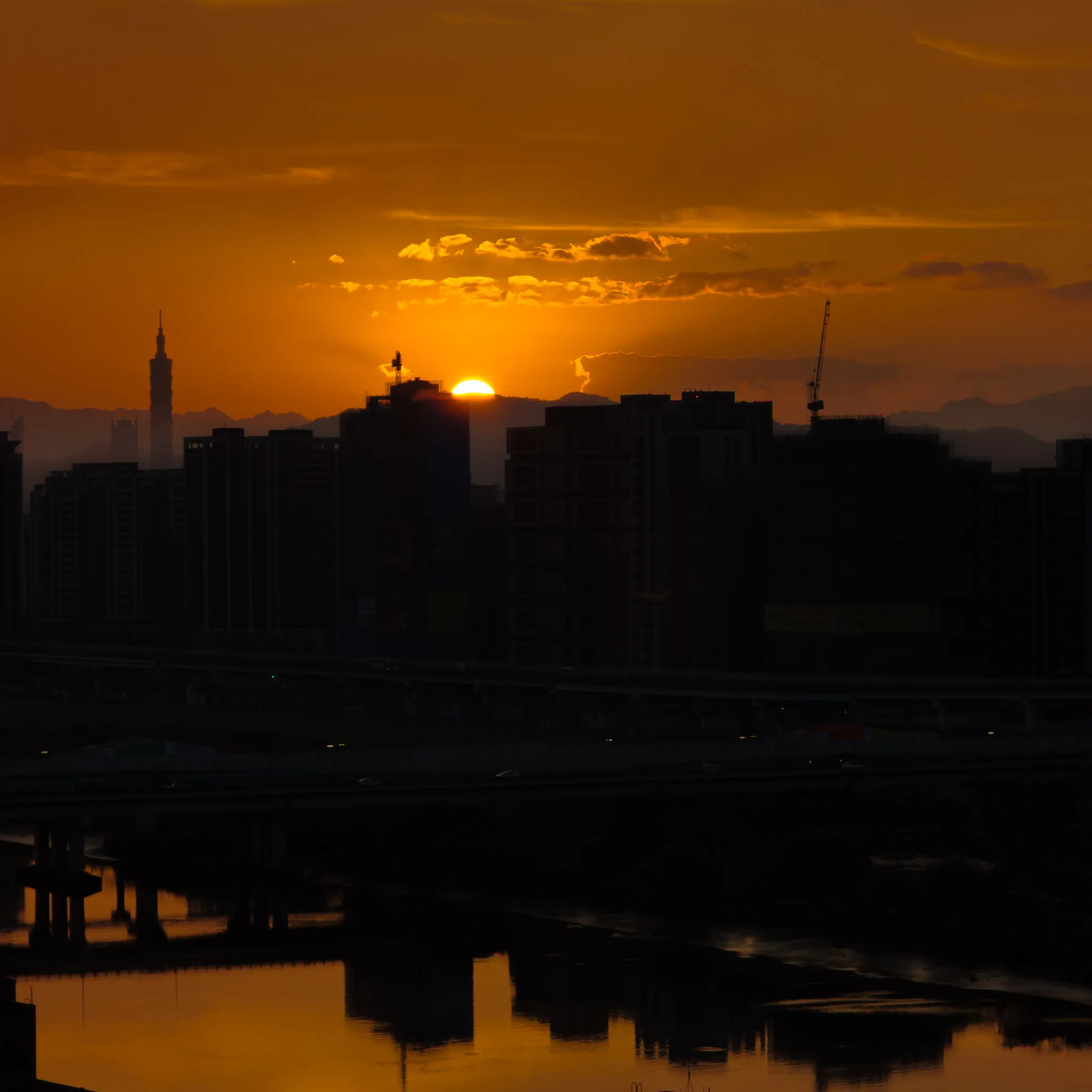
But recently, while flipping through old photos, I found one of sunrise over Taipei 101.
It was taken on a sleepless early morning in Taiwan, shortly after moving into a new home and still adjusting. That restlessness turned into an unexpected gift—a beautiful sunrise. Thinking back, I had also wondered then whether the sunrise would inch closer to Taipei 101 day by day. As I continued scrolling through photos, I realized that sunrises and sunsets have always captivated me. My album is filled with golden hours from different countries—from Greece to Turkey, from desert to ocean.
Whether foreigner or local, identity doesn’t have to be so binary. Like all those golden hour photos, each image is a slice that constructs the self. A person’s sense of identity isn’t formed merely by comparing two moments in time, but by layering memories and emotions from each slice together, weaving them into a story that is complete yet still unfolding.
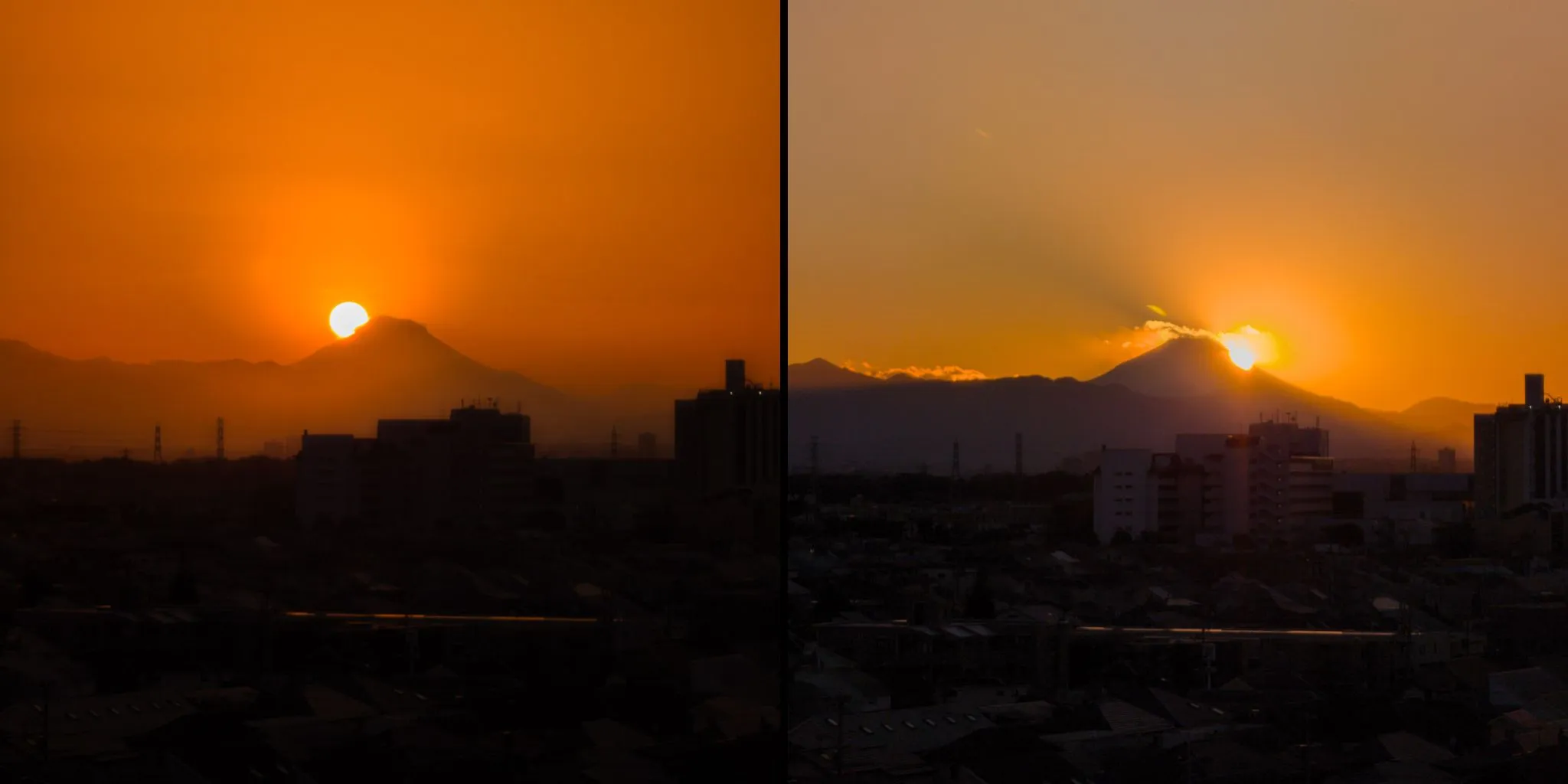
Looking back, when I eagerly awaited the spectacle of Diamond Fuji, those two days turned out to be overcast. The photos I managed to capture before and after landed just to the left and right of the peak.
Even having missed it, this experience, this amusing anecdote, and this connection to my past life—all of it is worth pressing the shutter to preserve. Along with other precious memories, they’re filed away in the album, breaking free from the stark divide between foreigner and local, weaving together a perspective uniquely my own—one unconfined by existing boundaries.
Let these beautiful slices of context layer upon one another, building up to form the one-of-a-kind person I am today.
— ,
Translated from the Traditional Chinese original.