Language as the Scissors of Concepts
While learning Japanese recently, I noticed a fascinating difference between languages. The Japanese word “tsume” (爪) refers to both animal claws and human fingernails. In Chinese, however, these are separate concepts that cannot be conflated—a claw is a claw, and a fingernail is a fingernail.
This resonates with Saussure’s idea that “language carves up concepts.” Before language existed, concepts were a chaotic mass. When pointing at a person, the gesture might indicate a human, a woman, a sister, or a mother. These blurry boundaries only became clear once language emerged. The role of “older sister” finally gained a distinct definition.
But how roles and concepts get divided varies across languages. English uses “Sister” to describe a female relative sharing the same parents, while Chinese splits this into “jiějie” (older sister) and “mèimei” (younger sister). And the moment these words came into being, culture was born with them. Because seniority matters, distinctions exist.
If language is a pair of scissors, then concepts are the fabric. The different shapes cut by different scissors—that is culture.
By observing how language cuts through concepts, we can see what a particular culture values. Japanese has carved out the word “komorebi” (木漏れ日), the dappled sunlight filtering through leaves. In autumn and winter, the street in front of the station near my home is lined with ginkgo trees. After lunch, I often take walks along this street. Sitting beneath the amber-yellow ginkgos, I can feel the sunlight streaming through gaps in the leaves, hear the rustling whisper of leaves brushing against each other, and savor the lingering warmth of the winter sun in the crisp cold air.
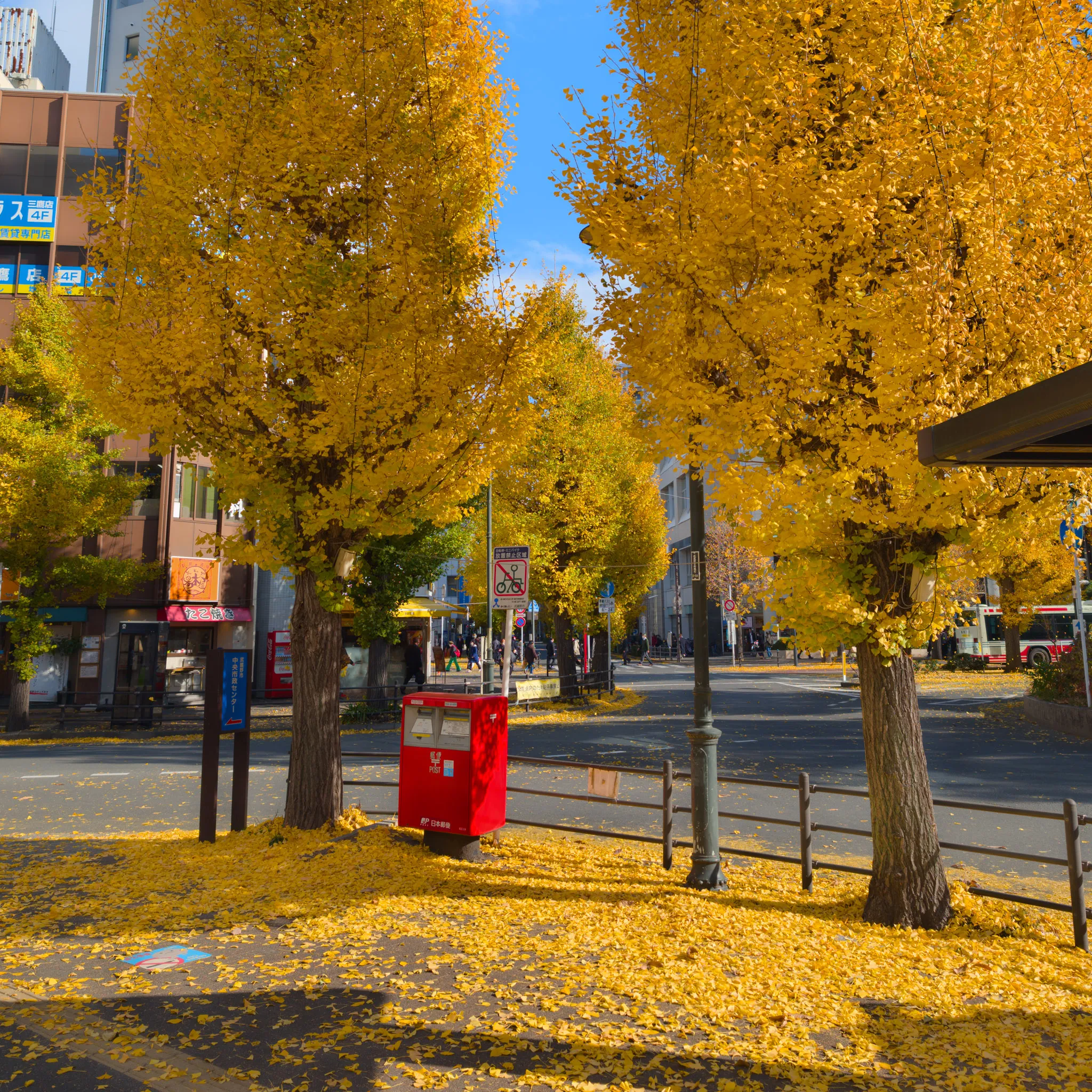
Across the street stands a row of cherry trees. At the tail end of spring, walking down this street reveals what the Japanese call “sakura fubuki” (桜吹雪): a storm of cherry blossoms swirling like snow. Walking along, petals occasionally brush gently against my face. When cars pass by, they stir up swirling pink vortexes. Both embody the imagery this word evokes.
Yet the most fascinating thing about being human is the ability to encounter different cultures. After slowly chewing and digesting them over time, we can try to find our own place. Language is just a pair of scissors; culture is merely the cut fabric. But ultimately, a tailor is needed—someone to fashion the garments. Originally, we each possessed only one pair of scissors. But after exploring this world long enough, we accumulate more tools and materials. Yet when caught up in the busyness of daily life, we can only solve the problems right in front of us, making it hard to notice other options.
Only after pausing to reflect do we gradually discover which parts of our native culture we love and which we dislike. Only then do we have the chance to step back and survey the various fabrics we actually possess, alongside a dazzling array of needles, threads, and scissors.
It’s time to become our own tailor, stitching together a version of ourselves that we can truly love.
— ,
Translated from the Traditional Chinese original.